

Why Assessing Presentation Skills is Critical for Organisational Success
Effective presentation skills underpin leadership credibility, sales performance, stakeholder alignment and cross-functional collaboration. Whether delivering a board update, pitching to a client, or facilitating a team discussion, the ability to communicate ideas clearly and persuasively directly impacts commercial success and, ultimately, the bottom line.
Yet in many organisations, presentation capability is an assumed skill, rather than one that is regularly assessed. Development tends to be reactive, perhaps triggered by a high-stakes pitch or a visible performance issue, rather than strategically embedded within capability frameworks. The result is inconsistency in standards, uneven skill development, and missed opportunities – at an individual and at a company level.
Recent research reinforces why this matters. According to insights from LinkedIn’s Skills on the Rise 2026 report, communication-centred capabilities, including public speaking and leadership communication, continue to rank among the fastest-growing skills in demand. As technical expertise becomes more widespread, the ability to articulate ideas clearly, inspire confidence, and influence decisions increasingly differentiates high performers.
For Learning & Development professionals, the implication is clear: presentation skills should be assessed and developed with the same rigour as leadership or technical competencies. Without a structured framework, it is difficult to identify gaps, allocate resources effectively, or demonstrate measurable improvement.
In this blog, we will outline how to assess presentation skills across your organisation using a practical, structured L&D approach.
Define What “Good” Looks Like in Your Organisation

Before assessing capability, it is essential to define what effective presentation skills actually mean within the context of your organisation. “Good” will vary depending on business context, your corporate goals, and your role requirements.
Start by aligning presentation outcomes with business objectives. Are presentations primarily used to secure new business, align internal teams, inform stakeholders, or influence strategic decisions? Or a mix of all of these? Clarifying the intended impact will shape the competencies you prioritise.
What are the key presentation skills to assess?
Common presentation competencies typically include clarity of message, logical structure, audience engagement, effective use of visuals, confidence in delivery, persuasiveness, and the ability to respond effectively to questions. However, these should not be treated as generic criteria. A sales professional may require advanced persuasive storytelling skills, while a technical specialist may need to translate complex information into accessible language. Senior leaders, meanwhile, must often demonstrate executive presence or be able to inspire and excite a sceptical workforce.
To operationalise this, many L&D teams benefit from developing a role-specific checklist or competency matrix. This provides assessors with a shared language and reduces subjectivity.
Build a Structured Framework for Skills Assessment
Ad hoc feedback rarely delivers meaningful insight. A structured framework ensures consistency across departments and creates a clear benchmark against which improvement can be measured.
A robust approach blends qualitative and quantitative measures. Self-assessments encourage reflection and ownership, while peer, manager and audience feedback provide an external perspective. Together, these inputs offer a more accurate picture of performance.
Standardised tools such as scorecards or competency rubrics are particularly effective. For example, presenters might be rated on a 1–5 scale across core presentation competencies. Over time, aggregated data can reveal organisational patterns, highlighting whether development needs are isolated or systemic.

Consistency is critical. When assessment criteria vary across teams, it becomes difficult to track progress or compare outcomes. A shared framework reinforces common standards and aligns presentation capability with broader organisational competency models.
Observe Delivery in Real-World Scenarios
While training simulations and rehearsed presentations can provide useful data, they should not be the sole source of evaluation. True presentation competence is demonstrated in everyday workplace situations.
Observing individuals in live environments, such as team meetings, client briefings, or project updates, offers a more authentic assessment of capability. These scenarios reveal how well presenters adapt when faced with unexpected questions, technical disruptions or time constraints.
Adaptability is often the clearest indicator of skill maturity. Strong presenters remain composed under pressure, listen actively, and can adjust their messaging without losing clarity.
Non-verbal communication also warrants close attention. Body language, eye contact, posture, and vocal delivery significantly influence perceived credibility and confidence. These elements are difficult to gauge accurately in rehearsed environments, where the pressure is lower and the stakes are reduced.
A common mistake is relying solely on polished presentations prepared for assessment purposes. While these may showcase effort, they do not always reflect day-to-day communication behaviour.
Use Feedback to Identify Strengths and Development Gaps
A 360-degree approach, incorporating feedback from managers, peers, direct reports and, where relevant, external audiences, can provide a valuable, more well-rounded view.
The quality of feedback matters as much as its quantity. This input should be specific and actionable, focusing on observable behaviours rather than subjective impressions. For example:
- Was the structure logical and easy to follow?
- Was the central message clear and memorable?
- Did the presenter engage the audience effectively?
- How confidently were questions handled?
- Did the presenter appear knowledgeable and well prepared?
- Were visual aids clear and supportive rather than distracting?
Clear feedback such as this helps distinguish between strengths that should be reinforced and behaviours that require targeted development. It also enables L&D teams to prioritise high-impact interventions.
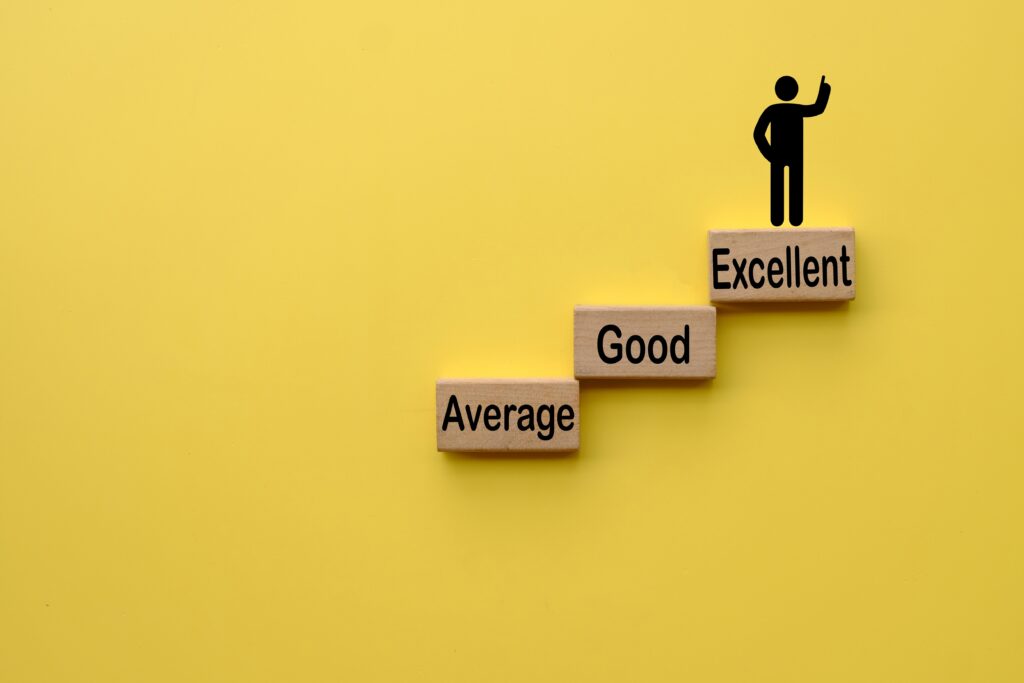
Incorporate Self-Assessment for Personal Insight
In the Australian workplace context, reflective practise is widely recognised as an important component of professional growth. Encouraging presenters to evaluate their own performance strengthens self-awareness and accelerates improvement.
Self-assessment tools might include structured reflection checklists or guided video review sessions. Watching oneself present, while sometimes uncomfortable, can reveal habits that are not apparent in the moment, such as filler words, pacing issues or limited audience interaction.
When individuals actively participate in diagnosing their development areas, they are more likely to engage with subsequent training and apply learning consistently.
Leverage Technology to Enhance Assessment
Technology can significantly enhance both objectivity and efficiency in skills assessment.
AI-enabled communication platforms now provide real-time insights into pace, tone variation, clarity and verbal fillers. While these tools should complement rather than replace human feedback, they can support measurable progress and reinforce behavioural awareness between formal training sessions.
For L&D teams, integrating technology into assessment processes can create scalable, data-driven insights across larger groups.
Create a Development Plan Based on Assessment Results
Assessment without follow-through has limited value. The purpose of evaluation is to inform action. Using collected data, L&D professionals can design tailored development plans that focus on the highest-impact behaviours first. In many cases, improving structure, messaging clarity, and visible confidence delivers immediate gains in perceived effectiveness.
Development goals should be role-specific and time-sensitive. For example, a presenter might aim to lead two cross-functional briefings within the next quarter, incorporating structured storytelling techniques learnt in training.
Tracking improvement over time not only reinforces accountability but also enables L&D teams to demonstrate ROI.

The Role of Leadership in Driving Presentation Excellence
Leadership commitment plays a decisive role in elevating presentation standards. When leaders model effective communication, it sets expectations across the organisation.
However, it is a common misconception that seniority equates to presentation expertise. Even experienced leaders benefit from targeted development in executive presence, strategic storytelling and stakeholder engagement.
Encouraging leaders to mentor emerging presenters and visibly participate in training initiatives reinforces the importance of communication capability as a strategic organisational priority.
When to Bring in Professional Training Support
It is important to be aware of when external training support is required. This could be when widespread skill gaps are identified, when organisational change elevates presentation demands, or when career progression means new groups of people need to prepare for high-stakes engagements such as board presentations or client pitches.
Compared to most internal training, external providers can offer objective evaluation, tried-and-tested frameworks, and advanced coaching techniques that complement internal L&D initiatives.
SecondNature’s tailored presentation training programmes are designed around your business and specific organisational goals to ensure measurable, behaviour-based improvement.
_________________________________________________________________________________________
Elevate Presentation Skills with a Strategic Approach
Assessing presentation skills should not be treated as a one-off exercise. Like leadership capability or technical expertise, it requires continuous evaluation and refinement.
A structured L&D framework provides clarity, consistency and measurable outcomes. It enables organisations to move beyond anecdotal feedback and toward deliberate capability building.
By investing in systematic assessment and targeted development, organisations strengthen one of the most commercially valuable skills in today’s workplace: the ability to communicate ideas clearly, confidently and persuasively.
At SecondNature Australia, we specialise in developing tailored programs that help professionals of all levels become engaging, compelling, authentic communicators; whether they’re pitching to clients, presenting to stakeholders, leading hybrid teams, or just starting out in their careers. Our tailored training programs are practical, proven, and designed to suit your people, your industry, and your specific goals, so why not get in touch.
Our team can walk you through program options, customisation pathways, and real case results from Australian organisations. Speak to a learning consultant today because we don’t just train. We transform.