

We regularly talk about why good communication and presentation skills are essential qualities in today’s corporate landscape, especially for business leaders. Effective communication can increase company performance, boost staff morale, drive employee engagement, improve retention rates, and strengthen stakeholder relationships.
But do you know how much poor or mis-communication can actually cost an organisation? A recent article published by Inc. Australia highlights how poor communication costs companies between $12,000-$25,000 annually per employee, depending on their salary. This calculation is based on the fact that the average employee will waste 7.47 hours per week as a direct result of poor communication. That can potentially add up to a massive 18% of the total salary bill.
These figures highlight the necessity for effective communication throughout an organisation. The ability to present ideas clearly, confidently and persuasively can be a game-changer for leaders and their teams.
And when you think of good communication and presentation skills, don’t just think about a slick delivery. The art of good communication incorporates a whole range of techniques that are fundamental for inspiring and motivating others, and for driving innovation within organisations.
This blog explores how Business Presentation skills training can elevate team motivation and engagement, paving the way for a more dynamic and productive workforce.
The Connection Between Presentation Skills and Team Motivation
A recent study by The Centre for Creative Leadership identified the twelve essential qualities required to be a good leader, and not surprisingly, Communication, Influence and Collaboration are recognised as three of the indispensable skills.
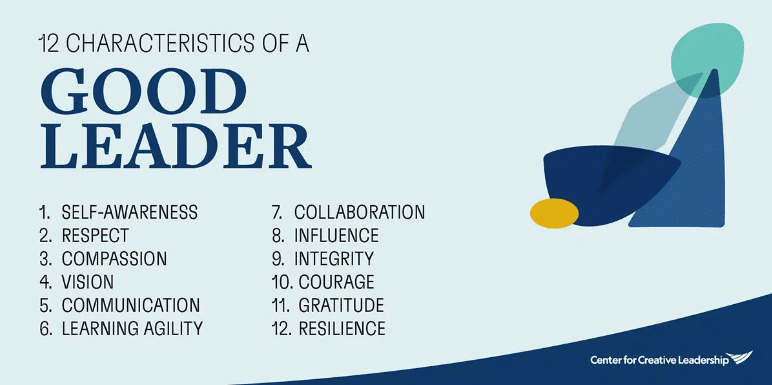
Strong communication is the bedrock of effective leadership. Leaders who can articulate their vision through inspiring presentations create alignment within their teams, driving motivation and commitment to organisational goals. And that’s because when employees understand and are inspired by the bigger picture and how their activities align with these corporate goals, they are likely to be more engaged, more productive, and more loyal.
In addition, clear, well-structured presentations enhance transparency and trust within teams. When leaders communicate openly, it encourages an environment of collaboration and engagement. Effective presentation skills are vital for sharing important updates, celebrating successes, and addressing challenges, all of which contribute to a more cohesive and motivated workforce.
Finally, Business Presentation skills training also helps to foster a culture of confidence. Many employees struggle with fear and anxiety when it comes to public speaking. Through comprehensive training, individuals learn to structure and craft compelling narratives and deliver them with assurance. This not only boosts their self-esteem but can also be an important factor in their career advancement.

The Inspirational Impact of Storytelling in Presentations
One of the core foundations of our training programs centres around the use of storytelling techniques and how they can be incorporated into presentations to create strong emotional connections that evoke empathy and make messages more memorable.
Presentations enriched with compelling narratives drive action. By connecting emotionally with the mission and values of the organisation, employees are more likely to feel motivated and committed to their roles. We’ve all heard how great leaders like Steve Jobs and Richard Branson have expertly used storytelling techniques to inspire their teams and in turn drive transformational change within their sectors. But there are plenty of contemporary examples too. Here are just a few.
- Satya Nadella, took over as CEO of Microsoft in 2014 and has used storytelling narratives to transform the culture of the company. Through stories about his personal journey and experiences, Nadella has positioned Microsoft as a leader in cloud computing and AI, while emphasizing a learning culture and a “growth mindset” among employees. Rather than a rigid and competitive culture Microsoft has now embraced collaboration, empathy and growth as its core values.
- Tim Cook, CEO of Apple, continues the legacy of Steve Jobs and uses storytelling as a way to connect with audiences during product launches. By emphasising the human impact of technology, Apple products become more relatable; whether it’s how the devices have changed people’s lives, by helping them to stay healthy, or by developing more creative ways to work and play.
- Mary Barra, CEO of General Motors (GM), has established her reputation as a business leader and environmental steward by sharing stories about GM’s rich engineering history while transitioning the company towards a zero-emissions future. These narratives are now embedded into GM’s culture which has become an industry innovator.
- Howard Schultz, former CEO of Starbucks, used storytelling to build Starbucks into a global brand. Having grown up in poverty, Schultz frequently shared his personal story about his vision for a company that cares about people as well as profits. Connecting his personal narrative with a social responsibility mission has become a core element of the Starbucks’ identity.
These leaders, and many others, use storytelling not just to market their products but to shape company culture, align teams with strategic goals, and humanize their leadership. By connecting emotionally with the mission and values of the organisation, employees are more likely to feel motivated and committed to their roles.
Investing in Presentation Skills Training for Career Success
Employees value training that will directly contribute to their professional career growth, so investing in Business Presentation programs can serve as a powerful development tool. According to Harvard University, “85% of job success comes from having well‐developed soft and people skills, and only 15% of job success comes from technical skills and knowledge. Investing in presentation training is not just an investment in skills but also a strategic move for succession planning within organisations.
Mastery of presentation skills not only enhances employee confidence, but it also increases their engagement by encouraging employees to take ownership of their projects they’re involved in. This is especially true when employees are encouraged to present project updates to the wider business. This in turn can empower them to share their ideas and contribute to decision-making. This sense of ownership nurtures initiative, leadership, and motivation. As employees become more capable presenters, they are more likely to step up, demonstrate leadership skills, and drive the team forward.
Having teams of confident presenters within an organisation also provides role models for the rest of the group. Their influence encourages peers to develop similar skills and overcome their own public speaking fears. This peer-to-peer motivation is a powerful driver of team morale.
More Efficient Communication Across the Organisation
When a consistent approach is taken to develop people’s communication and presentation skills throughout an organisation the benefits to the company are significantly increased. It’s a classic case of “the whole being greater than the sum of the parts.”
Meetings become more efficient, decision-making is streamlined, project outcomes are more successful, and as a result businesses become more effective and corporate reputations are enhanced.
Here are two examples of blue-chip companies that implemented extensive communication and presentation skills training programs throughout their organisations:
Salesforce
Objective: Salesforce – a leading CRM platform – implemented a communication and presentation skills training program across its team of sales leaders. The objective of the training was to increase new business outcomes through the creation of more compelling pitch propositions and solutions that would effectively engage and persuade various stakeholders.
Method: Training consisted of interactive hands-on workshops where participants received immediate and constructive feedback, role-playing exercises using tangible sales scenarios, and video recording analysis to study both verbal and non-verbal cues such as voice pitch, tone and pace, body language, gestures and movement. Feedback was provided by coaches and also by the participant peer group which helped to create a supportive and collaborative learning environment.
Outcome: As a result of the training, Salesforce saw a tangible increase in pitch rates and overall sales figures as a direct result of their leaders creating and presenting more effective and tailored client solutions. Training also created a long-term culture of continuous professional development with participants sharing best practices in a collaborative and supportive environment.
Unilever
Objective: Unilever operates in the highly competitive consumer goods category. Recognising the need to improve the communication capabilities of their global leadership team, Unilever embarked on a training program designed to teach leaders how to create and deliver more compelling and persuasive presentations, encourage inter-departmental collaboration and inspire action across diverse audiences.
Method: Training focussed on storytelling techniques, including the use of metaphors and anecdotes, as a way to structure content and create emotional connections with diverse audiences. Practical sessions and interactive role-playing scenarios provided participants with real-time feedback allowing them to refine delivery techniques which in turn increased confidence. They were also coached on how to align messages with organisational values and objectives.
Outcome: Improving communication skills resulted in greater collaboration between teams, increased innovation through ideas exchange, and a stronger connection between departmental goals and high-level company objectives. Leaders became more effective at motivating their teams which led to more creative solutions. Long term, the training led to a more cohesive and innovative working environment.
Implementing Presentation Training in Your Organisation

So, what should L&D and Talent Management professionals expect to see as a result of expert Business Presentation skills programs? Well for a start, they should expect to see a measurable improvement in employee confidence, engagement and motivation. This in turn can drive greater innovation and better business outcomes.
Of course, more effective presenting skills can lead to greater sales success and better stakeholder relationships, not to mention a significant reduction in miscommunication and all the wasted time and costs associated with that.
At a leadership level, investing in communication skills coaching will result in leaders who are able to tell stories that bring the company’s vision and values to life – uniting staff around a common purpose. This leads to a culture of greater collaboration, an increase in morale, and an enhanced company reputation.
Last but not least, individuals with strong communications skills are more visible within the organisation and more likely to be promoted, reducing the costs involved in hiring talent from outside the company.
Inspiring Your Team Starts with Empowering Their Voices
In summary, presentation skills are critical for motivating teams and driving organisational success. From boosting individual confidence to fostering innovation and leadership, effective communication is at the heart of a thriving workplace.
Corporate leaders should view presentation training as a strategic investment in both their employees and the organisation as a whole. By empowering your team with these essential skills, you’ll unlock their potential and inspire them to achieve greatness.
Ready to take the next step?
Here at SecondNature International, we are a boutique training and coaching consultancy that specialises in helping people in business become the presenter they want, and need, to be.
For nearly 20 years we have been known as the Business Presentation Skills Experts, training and coaching thousands of people in an A-Z of global blue-chip organisations – check out what they say about our programs.
Every training course is fully formed but it is also significantly tailored for your business – we maximise the tailoring for every program we run, to meet the exact needs of each client. We also personalise every program, individually, for every participant (even in group workshops).
If you want to see your employees make dramatic improvements by creating more compelling business presentations and delivering them with more confidence, clarity and impact, so that in future they will be able to engage and motivate any audience, then why not get in touch.